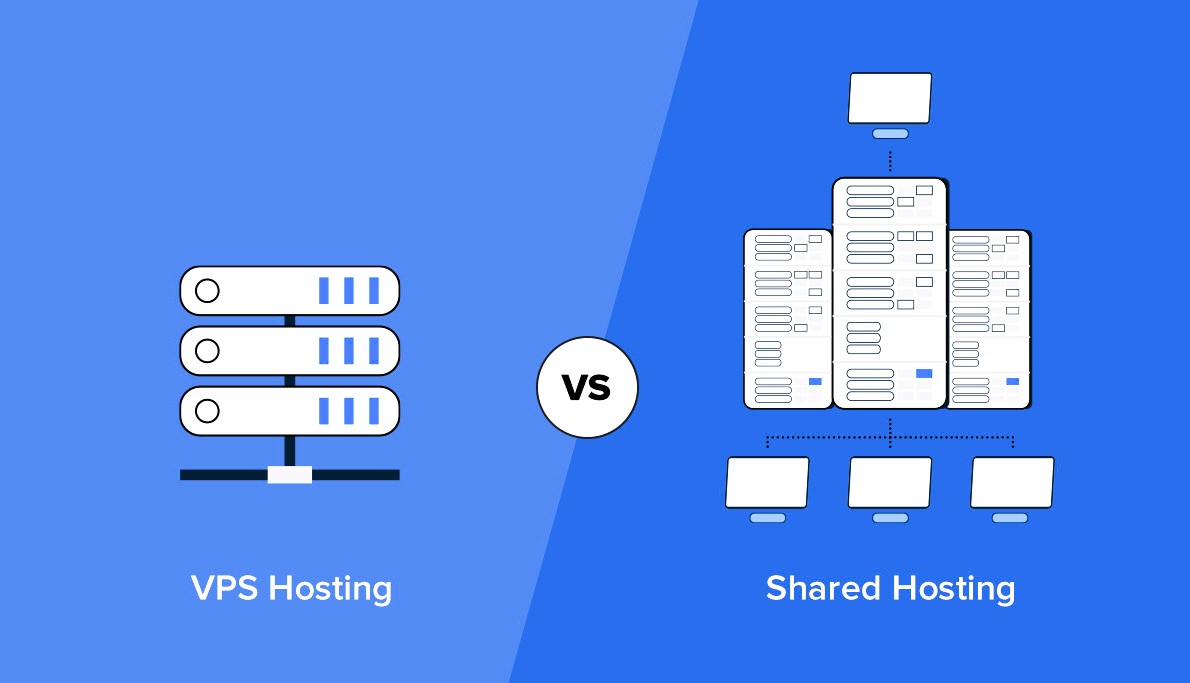
Understanding Different Types of Web Hosting: Shared vs. VPS vs. Dedicated
When it comes to hosting your website, choosing the right type of web hosting is crucial for ensuring optimal performance, security, and scalability. With a variety of hosting options available, it’s essential to understand the differences between them to make an informed decision. In this article, we’ll explore three common types of web hosting: shared hosting, VPS (Virtual Private Server) hosting, and dedicated hosting, and discuss their features, benefits, and use cases.
Shared Hosting
Shared hosting is one of the most popular and cost-effective hosting solutions available, making it an excellent choice for individuals and small businesses with limited budgets. With shared hosting, multiple websites share the resources of a single server, including CPU, RAM, and disk space. This sharing of resources allows hosting providers to offer affordable hosting plans with low monthly fees.
Key Features of Shared Hosting:
- Cost-effective: Shared hosting plans are typically the most affordable option, making them ideal for budget-conscious website owners.
- Easy to use: Shared hosting is user-friendly and requires minimal technical expertise to set up and manage.
- Limited resources: Since resources are shared among multiple websites, performance may be affected if other sites on the same server experience high traffic or resource usage.
- Limited customization: Shared hosting environments may have limitations on software installations and configurations due to shared server resources.
When to Choose Shared Hosting:
- Personal websites: Shared hosting is well-suited for personal blogs, portfolios, and hobby websites with moderate traffic.
- Small businesses: Small businesses with simple websites and low to moderate traffic can benefit from the affordability and ease of use of shared hosting.
VPS (Virtual Private Server) Hosting

VPS hosting offers a more scalable and customizable hosting solution compared to shared hosting. With VPS hosting, a physical server is divided into multiple virtual servers, each with its own dedicated resources, including CPU, RAM, and disk space. This isolation of resources provides greater stability, security, and performance compared to shared hosting. We’ve put together 10 tips for choosing the right web hosting plan for your website, more details here.
Key Features of VPS Hosting:
- Scalability: VPS hosting allows for easy scalability, allowing you to increase or decrease resources as needed to accommodate changes in traffic and demand.
- Enhanced control: With root access to your virtual server, you have full control over server configurations, software installations, and security settings.
- Improved performance: Since resources are dedicated to your virtual server, you can expect better performance and reliability compared to shared hosting.
- Isolation: Each VPS operates independently of others on the same physical server, providing enhanced security and privacy.
When to Choose VPS Hosting:
- Growing websites: Websites experiencing growth in traffic and resource usage may benefit from the scalability and performance of VPS hosting.
- E-commerce websites: E-commerce sites that require secure transactions and reliable performance can benefit from the enhanced control and security features of VPS hosting.
Dedicated Hosting
Dedicated hosting offers the highest level of performance, security, and control, making it the preferred choice for large enterprises and high-traffic websites. With dedicated hosting, you have exclusive use of an entire physical server, giving you full control over resources and configurations.
Key Features of Dedicated Hosting:
- Maximum performance: Dedicated hosting provides dedicated resources, including CPU, RAM, and disk space, ensuring optimal performance and reliability for your website.
- Complete control: With root access to the server, you have complete control over server configurations, software installations, and security settings.
- Enhanced security: Since you have exclusive use of the server, dedicated hosting offers the highest level of security and privacy for your website and data.
- Customization: Dedicated hosting allows for extensive customization to meet the unique requirements of your website or application.
When to Choose Dedicated Hosting:

- High-traffic websites: Websites with high volumes of traffic and resource-intensive applications can benefit from the dedicated resources and performance of dedicated hosting.
- Enterprise-level websites: Large enterprises and organizations with complex hosting needs, such as custom software requirements or regulatory compliance, may require the customization and control offered by dedicated hosting.
Conclusion
Choosing the right type of web hosting is essential for the success of your website. Whether you opt for shared hosting, VPS hosting, or dedicated hosting depends on your specific requirements, budget, and growth plans. By understanding the differences between these hosting options and their respective features and benefits, you can make an informed decision that meets your needs and objectives.
For more information on web hosting standards and best practices, you can visit reputable sites such as:
- ISO – International Organization for Standardization
These resources offer valuable insights and information to help you understand the different types of web hosting and make informed decisions about your hosting needs.
